What the Litigation Actually Settled
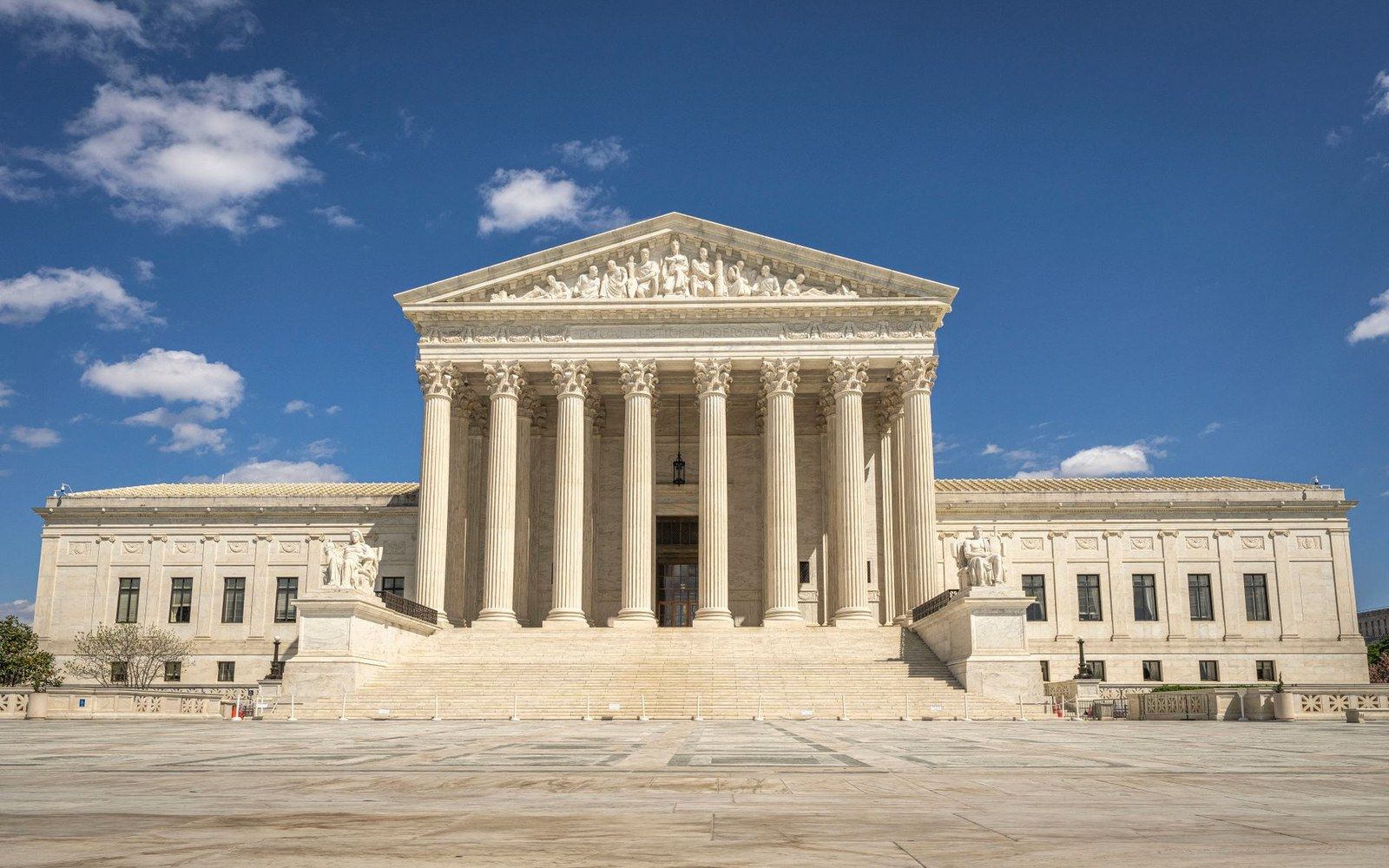
The class action known as Le v. Zuffa took roughly ten years to move from complaint to resolution. Filed in 2014 by a group of current and former UFC fighters — with Cung Le among the named plaintiffs — the suit alleged that Zuffa LLC used exclusive contracts, ancillary rights clauses and a pattern of acquiring rival promotions to suppress fighter pay across the entire MMA market. That is the textbook definition of an antitrust class action: a dominant buyer using structural power to hold wages below what a competitive market would produce.
In June 2024, the parties announced a $375 million settlement, ending the case without any admission of liability from TKO Group Holdings, which by that point had combined UFC and WWE into a single publicly traded entity. The settlement class covered fighters who competed in UFC bouts from December 2010 through June 2017. After attorneys' fees and administration costs, individual payouts depend on a fighter's number of bouts and their position in the damages formula — figures that have not been itemised in public filings at the per-fighter level.

Crucially, the settlement changed nothing structural. It imposed no revenue-sharing floor, no minimum purse schedule and no collective bargaining requirement. Fighters who accepted the settlement retained their right to compete, but not their right to sue over the same conduct again.
The Rights Deal Running Alongside It
While the litigation ground through discovery and class certification, the UFC's media rights were quietly becoming its most valuable asset. The organisation's existing deal with ESPN — part of a five-year arrangement valued at roughly $1.5 billion that began in 2019 — was set to expire, and renewal negotiations were underway well before the settlement was announced.
In late 2024, the UFC and ESPN struck a new agreement reported at a sum far above the prior average annual value of roughly $300 million. The number had been anticipated by analysts tracking live sports rights inflation, but its timing — landing in the same window as the antitrust payout — crystallised the underlying arithmetic with unusual clarity. The organisation was paying out $375 million to resolve a decade of wage-suppression allegations at almost the exact moment it was proving to the market that its rights were worth materially more than it had previously conceded.
That context sits inside a larger ownership story. Endeavor Group Holdings took UFC private in 2016 for a reported $4 billion. When Endeavor merged UFC and WWE into TKO Group Holdings in 2023, the combined entity was valued on public markets at roughly $21 billion at formation. Ari Emanuel, who runs Endeavor, sits atop that structure. Dana White remains the operating face of UFC under a long-term contract.
What the Parallel Tells You
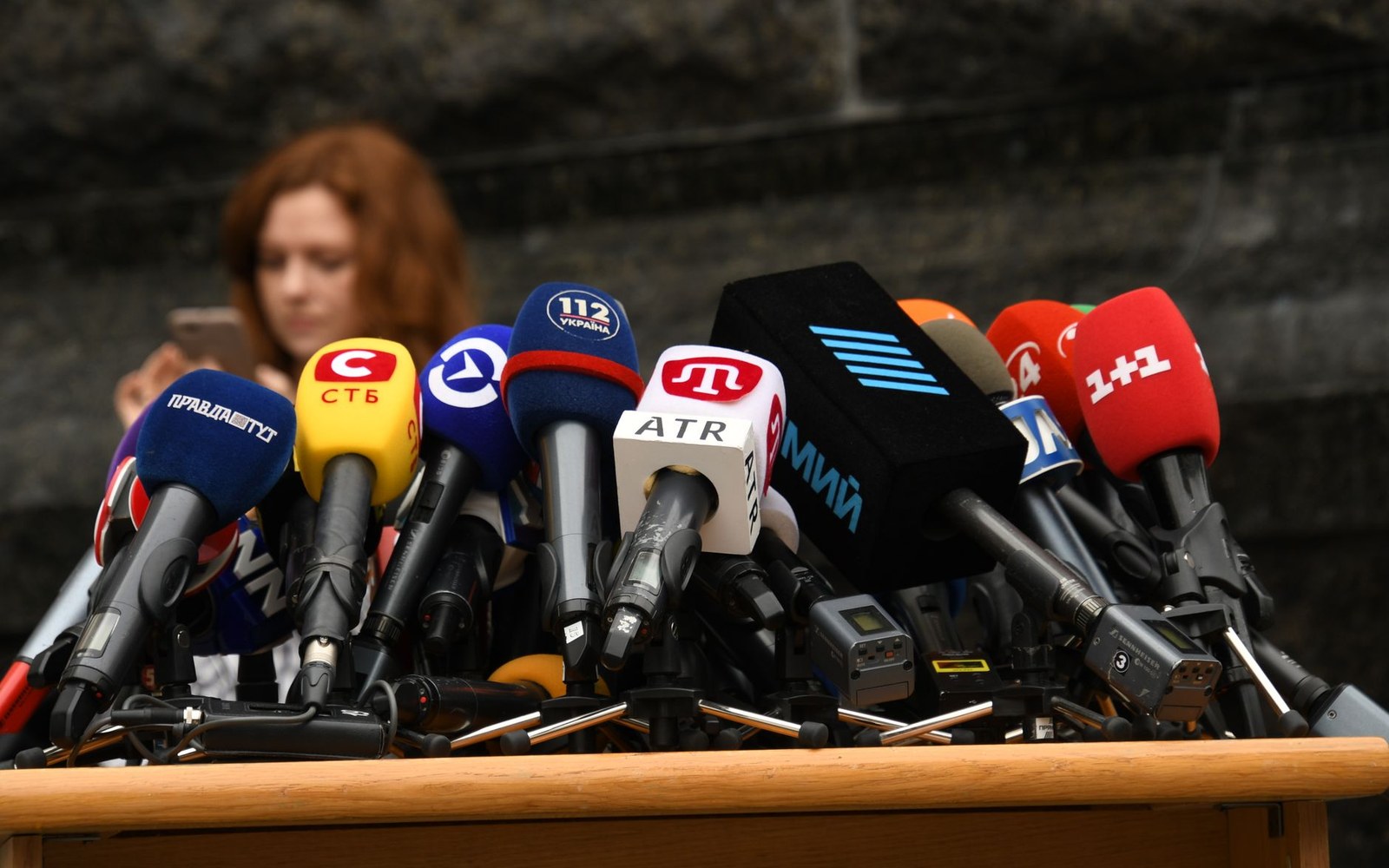
The coincidence of timelines is not ironic — it is informative. A settlement that closes litigation without structural reform leaves the rights-holder's leverage intact. The ESPN renewal was negotiated by the same entity that was defending the antitrust case; the business case for a higher rights fee was, in part, built on the exclusive contracts and market position that the plaintiffs said were illegal. Settling removes the legal risk. It does not redistribute the commercial upside those practices produced.
For fighters, the revenue share question remains open. There is no union, no collective agreement, and no disclosure requirement beyond what state athletic commissions publish in their post-event purse sheets — documents that capture base purses and exclude bonuses, PPV points and sponsorship cuts. The $375 million is a closed chapter. The rights fee is a recurring one.