What Endeavor Was Before It Became a Vehicle
Endeavor Group Holdings was, for most of its history, a talent and entertainment agency. Its core business was WME — William Morris Endeavor — the agency that represented actors, musicians and directors. Its chief executive, Ari Emanuel, spent the better part of two decades acquiring adjacent businesses in sports, media and live events, and the UFC was the largest single bet in that series. In 2016, the consortium Emanuel assembled paid a reported $4.025 billion for Zuffa, LLC — the entity that owned the UFC — which was the highest price ever paid for a sports property at that point. Endeavor held a controlling stake in the UFC while retaining its full agency and events portfolio: IMG, Miss Universe, Professional Bull Riders, and a collection of smaller rights-holding businesses.
Going public in April 2021, Endeavor listed on the New York Stock Exchange under the ticker EDR. But the company's capital structure remained complex: it held majority ownership of the UFC while the fighter-facing business, its media rights contracts, and its international event operations all ran through subsidiary entities. The UFC's media rights deal with ESPN, which began in 2019 and was valued at roughly $300 million per year at signing, was the cleaner revenue line. Everything else required the sort of consolidation that only a larger transaction could produce.
The TKO Transaction and What It Created
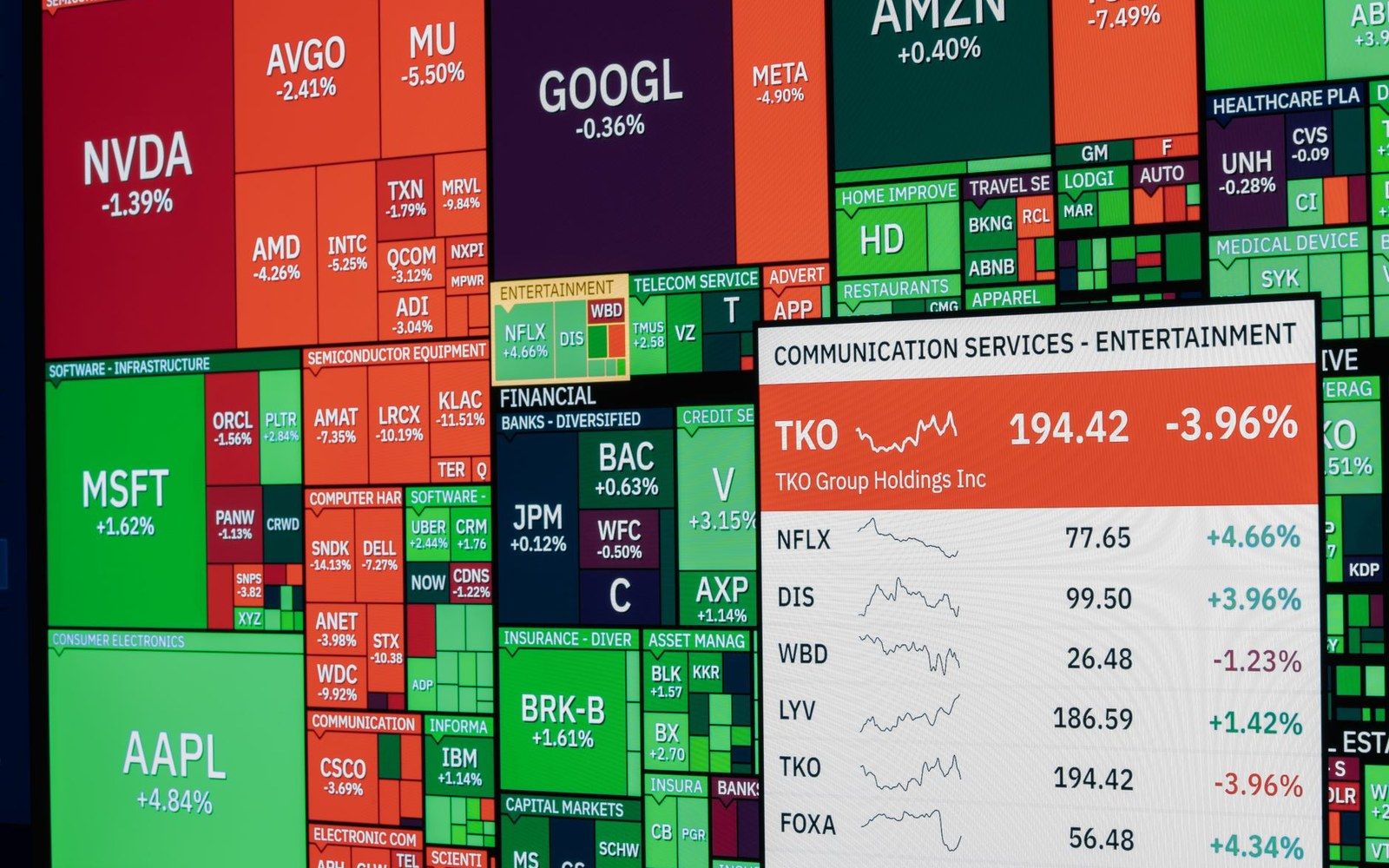
In April 2023, Endeavor announced it would merge the UFC with World Wrestling Entertainment in an all-stock deal that would create a new publicly traded company. The combined entity was named TKO Group Holdings, incorporated in Delaware, and began trading on the New York Stock Exchange under the ticker TKO in September 2023. Endeavor retained approximately 51 percent of TKO Group Holdings at closing, with legacy WWE shareholders holding the remainder. Dana White stayed as UFC president; Nick Khan remained as WWE president. Vince McMahon, who had resigned from WWE's board in July 2022 amid an investigation into misconduct payments and returned in early 2023, stayed on as TKO's executive chairman after the merger until January 2024.
TKO Group Holdings is not a promoter in any legally meaningful sense — it does not take the financial risk of matching fighters, posting purses with a commission and promoting a bout to the public as a principal. It is a rights holder, a media licensor, and a live-events operator. The UFC's fights are sanctioned by state athletic commissions, which regulate the athletes, set the rules, and require promoter licensing. WWE's events are live entertainment, not athletic contests regulated by any commission. The two businesses sit under the same corporate parent and share back-office functions, but they operate in entirely separate regulatory environments.
On a full-year basis, the combined company's 2023 revenue was well over two billion dollars, with the UFC accounting for the larger share. The UFC's own reported revenue for the full year 2023 was approximately $1.37 billion; WWE contributed the balance. Adjusted EBITDA margins in both segments ran well above 30 percent, which reflects what happens when the underlying assets are primarily intellectual property — brand, footage library, media rights — rather than physical plant or athlete payroll on a salary basis.
What Endeavor Kept and What It Sold
The TKO transaction did not sweep all of Endeavor into the new entity. WME, the agency business, remained an Endeavor asset. So did IMG, the sports-marketing and media-production arm. Professional Bull Riders, On Location (a premium experiences business), and Endeavor's minority stake in numerous other properties stayed under the Endeavor umbrella. The strategic logic was to take the two properties with the clearest media-rights valuation — live UFC events and WWE programming — and give them a standalone public-market multiple, while leaving the agency businesses, which carry different revenue profiles and conflict-of-interest complications, in a separate vehicle.

In April 2024, Endeavor announced it would go private, accepting a buyout offer from Silver Lake, the private equity firm that had been a major Endeavor backer since 2012. That transaction, completed in March 2025, took EDR off the NYSE. TKO Group Holdings, by contrast, remained a publicly traded company — the clean content-and-events entity that the Silver Lake and Endeavor structure had effectively carved out for public investors.
What the Portfolio Means for Rights and Regulation
For the combat sports industry specifically, the TKO structure matters because the UFC's media rights agreements, its fighter contracts, and the antitrust litigation that preceded the merger all became liabilities — and assets — of a publicly traded company with quarterly reporting obligations. The Le v. Zuffa antitrust class action, which settled in 2024 for $375 million, was a UFC obligation that TKO Group Holdings carried through its books. Shareholders can now read the company's description of its own fighter-contract structure in a Form 10-K filed with the Securities and Exchange Commission — something that was not available when the UFC was privately held under Zuffa.
The ESPN deal, renewed and extended, remains the UFC's domestic anchor. WWE's television arrangement with NBCUniversal and its newer deal with Netflix — WWE Raw moved to Netflix beginning in January 2025 in a deal reported at roughly $5 billion over ten years — means TKO Group Holdings now has its two primary brands distributed across every major streaming platform in North America. That is the portfolio Ari Emanuel was building toward: not a fight company, not a wrestling company, but a recurring live-events content business whose inventory is difficult to replace and whose audiences skew toward the demographics advertisers pay a premium to reach.
The fighters and wrestlers who generate that inventory are not employees in the conventional sense. UFC athletes compete as independent contractors; WWE performers work under exclusive performer contracts structured differently still. Neither group has a certified collective bargaining representative. The revenue share those athletes receive — measured against the disclosed purses on commission purse sheets and against what certified unions have negotiated in the NBA or NFL — sits well below the major-league benchmarks. TKO Group Holdings is public enough now that investors can track the margin. Whether the athletes who produce it can do the same is a question the company's filing structure does not resolve.