A Different Regulatory Architecture
ONE Championship, founded in 2011 and headquartered in Singapore, competes under rules it largely writes itself. Where UFC events in Nevada or New York operate under the Unified Rules of MMA as adopted by state athletic commissions, ONE events staged in Singapore, Bangkok, Manila, and other Asian markets answer to no equivalent independent regulator. The Association of Boxing Commissions has no jurisdiction there. ONE's own rulebook governs fouls, judging criteria, and — most distinctively — weight management.
The promotion's hydration testing protocol replaces the traditional pre-fight weigh-in with urine specific gravity testing at multiple points before fight night. Athletes must register within a weight band close to their walk-around weight rather than dehydrating to make a lower class and rehydrating overnight. ONE chief executive Chatri Sityodtong has described the system as a fighter-safety measure; critics argue it effectively locks athletes into weight classes one tier above where they might compete under traditional rules. Whatever the policy argument, the mechanics are proprietary: ONE owns the protocol, and fighters under contract compete by it.

The ruleset also permits soccer kicks and stomps to grounded opponents — techniques banned under the Unified Rules — and its judging criteria weight aggression and damage differently from the 10-point must system standard in North American commissions. Fighters moving between ONE and UFC have consistently reported that the two environments reward different styles.
What the Valuation and Broadcast History Actually Show
ONE's financing history is the more complicated ledger. The company raised a Series B round that valued it at roughly $400 million in 2018, then secured a $150 million commitment from Comcast's NBCU in 2019 that implied a valuation above $1 billion — making it the first Asian combat sports unicorn. Chatri Sityodtong confirmed those figures publicly at the time. The NBCU deal included a content partnership under which ONE programming appeared on CNBC and NBC platforms in the United States.
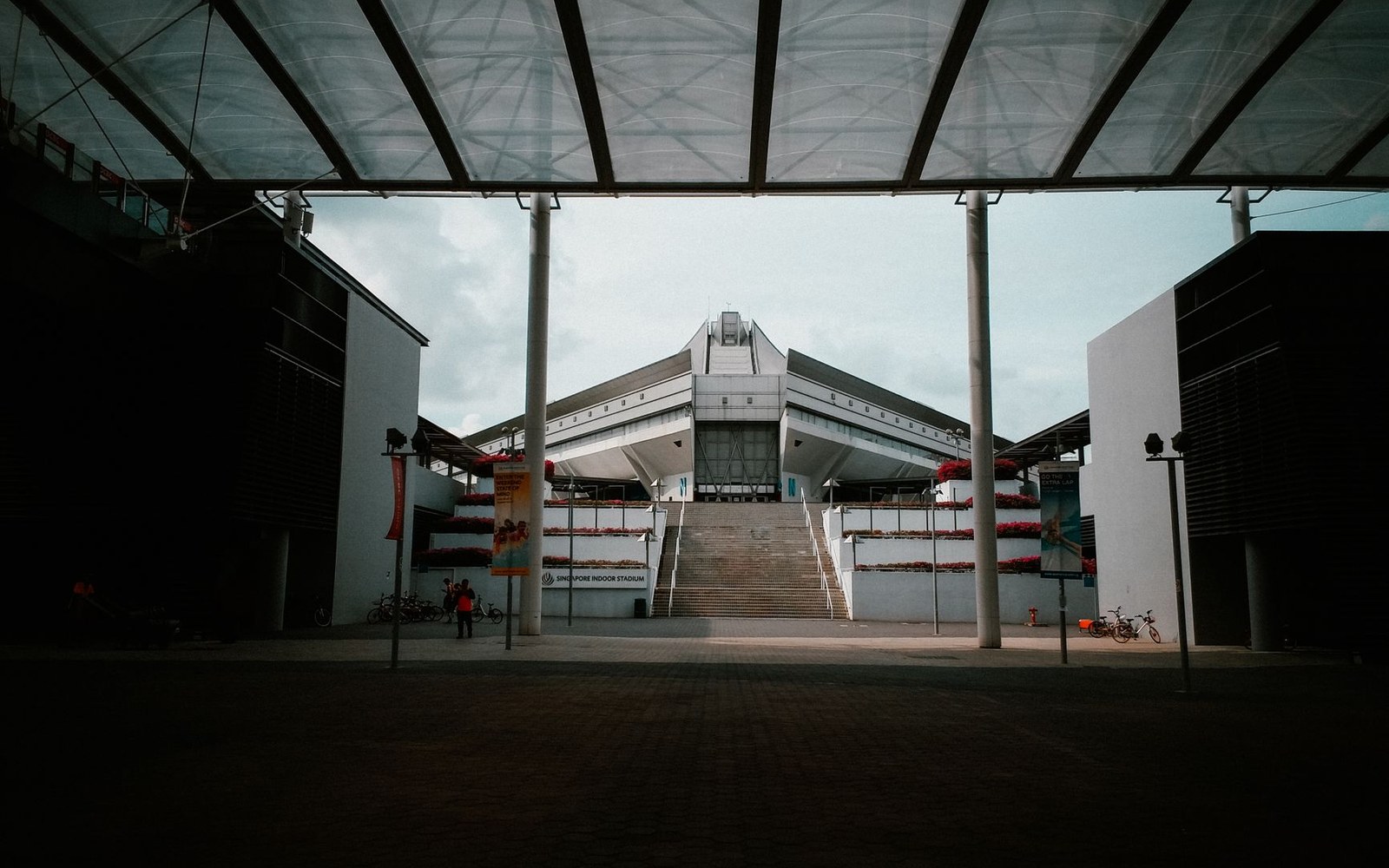
The U.S. television relationship proved less durable than the headline suggested. By 2023, ONE had pivoted toward Amazon Prime Video for North American distribution, announcing a multi-year deal with Prime Video that carried no disclosed rights fee in public reporting. Amazon's engagement gave ONE a streaming window in the crucial U.S. and Canadian markets, though the promotion's core audience and live gate revenue remain concentrated in Southeast Asia. Friday-night cards from the Singapore Indoor Stadium routinely sell out; the commercial weight of that market is structurally different from a Las Vegas arena deal where gate and pay-per-view combine.
ONE does not operate a pay-per-view model. Events are distributed on its own app and through broadcast partners, with the promotion retaining control of the content rights rather than splitting them through a cable ecosystem. That model limits single-event revenue ceilings but preserves long-term rights ownership — a meaningful distinction when a catalogue of finished content can be relicensed or streamed independently.

On athlete compensation, ONE has not published a revenue-share figure comparable to what major North American leagues disclose through collective bargaining. The IBJJF prize structure debate and UFC antitrust litigation have generated public benchmarks for their respective sports; ONE's purse disclosures are not mandated by any external athletic commission, so contracted purses are not systematically public. Prize pools for ONE's championship bouts and its Grand Prix tournaments are disclosed event by event in promotional materials, but no aggregate athlete-compensation percentage has been independently verified.
The broader financial picture is that ONE's most recent publicly cited valuation — roughly $1.4 billion as of a 2021 funding round that included capital from Temasek, Singapore's sovereign wealth fund, and other investors — represents a significant step up from the 2019 NBCU baseline, though the promotion has not completed a public offering and no audited revenue figure has entered public record. Privately held and Singapore-domiciled, ONE controls what it discloses. That opacity is itself part of the structure.