
A Weigh-In Replaced by a Urine Sample
Most state athletic commissions in the United States still govern fighters under the model codified in the Unified Rules of Mixed Martial Arts: a single weigh-in, typically the day before the event, at which a fighter must hit a contracted weight ceiling. What happens overnight — how much fluid an athlete rehydrates with — is largely unregulated. A fighter who walks around at 185 pounds can compete in a 155-pound division if they can make scale on Friday and recover by Saturday.
ONE Championship, operating out of Singapore under Chatri Sityodtong, replaced that model wholesale. Before any official weigh-in, athletes provide a urine sample tested for specific gravity — a measure of solute concentration that functions as a proxy for hydration status. Under ONE's published athlete contract terms and competition rules, a fighter whose specific gravity reads above 1.025 is deemed to have been cutting water weight and is moved up to the next weight class, regardless of what they show on the scale.

This is not a drug test and it is not a penalty. It is a classification mechanism. A fighter does not fail hydration testing; they are reclassified. The distinction matters commercially and contractually: an athlete signed to compete at atomweight can find themselves fighting at strawweight depending on their pre-contest hydration, changing their opponent pool, their record, and, in a title context, which belt is on the line.
Why the Weight-Class Populations Differ
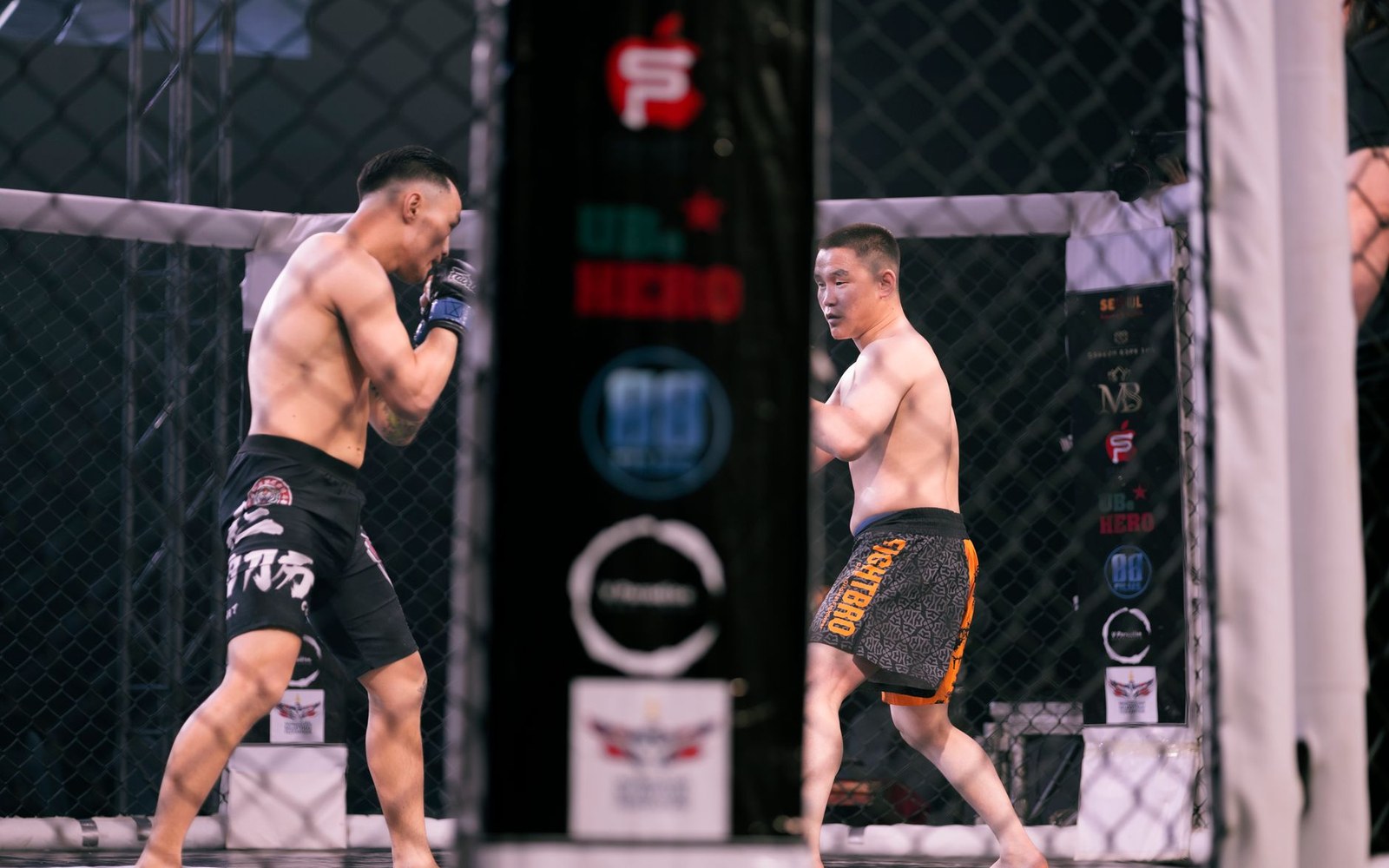
The downstream effect is a roster that looks structurally different from any UFC, Bellator, or PFL equivalent. Because fighters cannot exploit the weigh-in gap — the window between making weight and rehydrating — ONE's weight classes tend to contain athletes who genuinely walk around closer to the division ceiling. That narrows the size differential between opponents and, ONE has argued in its promotional materials, reduces the health risks associated with rapid dehydration.
What it also does is segment athletes by body type rather than by willingness to cut. A fighter who naturally carries more mass cannot simply starve and sweat down to a lighter class; ONE Championship's hydration testing effectively prices that strategy out of the market. The consequence for matchmaking is real: athletes recruited from other promotions do not always land in the same weight class they held elsewhere, which complicates cross-promotional records and rankings comparisons.
The protocol is not universally adopted because no global MMA regulatory body has the authority to mandate it. Each commission governs its own jurisdiction, and ONE operates primarily in Asian markets outside the reach of the Association of Boxing Commissions framework — which means the hydration rule is less a reform proposal than a proprietary competitive structure.