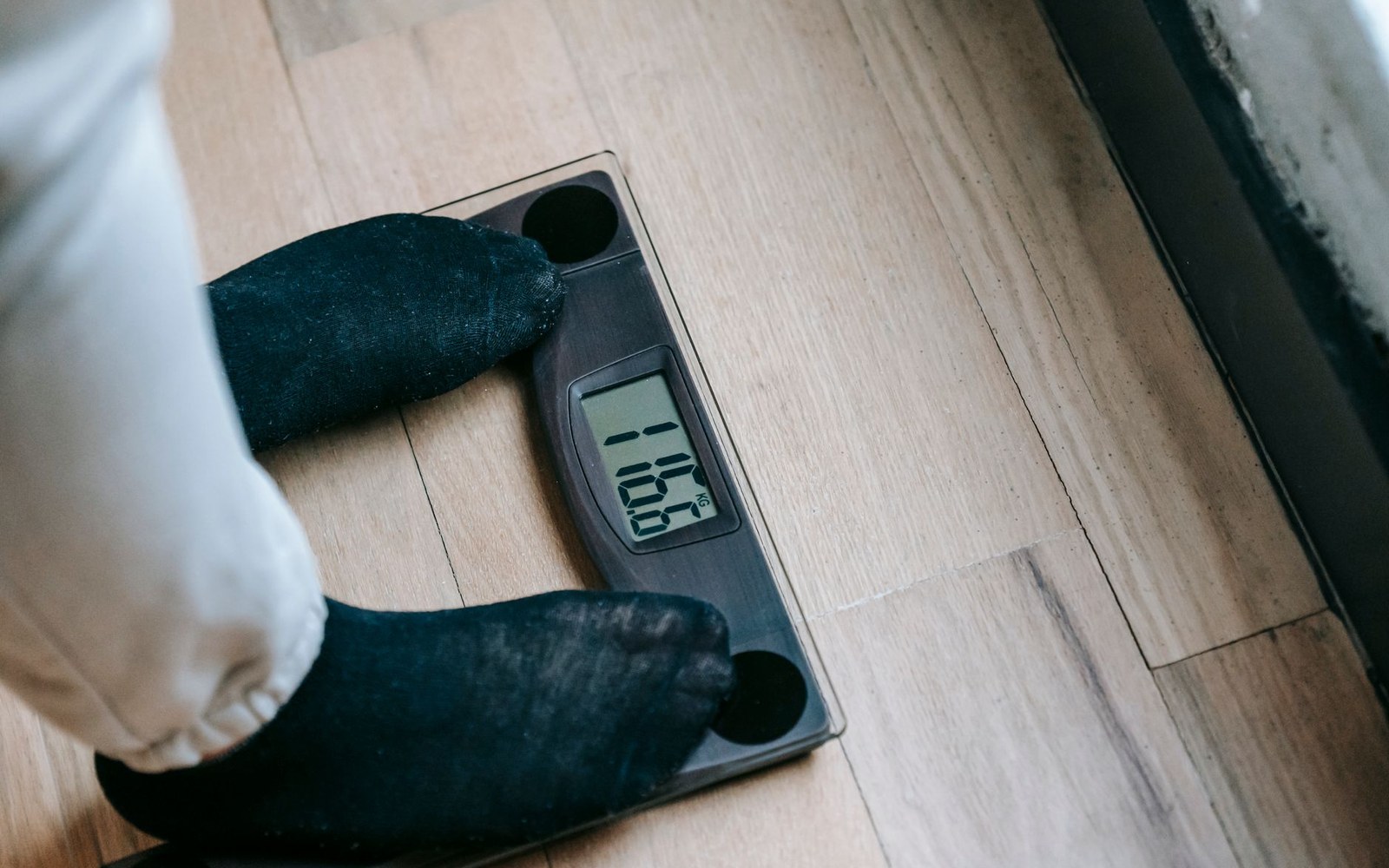
A Rule Change Looking for Uniform Adoption
The same-day weigh-in — requiring fighters to make weight on the day of competition rather than the evening before — entered commission-level regulation not through a coordinated federal mandate but through the familiar patchwork of state-by-state rulemaking that governs combat sports in the United States.
The traditional model, a weigh-in held the morning or afternoon before fight night, gave athletes roughly twenty-four hours to rehydrate after cutting. The gap created a functional mismatch: a fighter might walk into the cage ten, fifteen or more pounds heavier than the weight class suggested. Commissions began treating that gap as a regulatory problem after a string of hospitalisations and deaths linked to aggressive weight cutting drew scrutiny from the Association of Boxing Commissions, the voluntary standards body whose guidance individual states may adopt or ignore.

California moved early, adopting a 10-point plan against extreme weight cutting in 2017 that tightened weight checks and penalties rather than mandating a same-day weigh-in. Nevada, whose Nevada State Athletic Commission regulates more major events than any other single body, studied the question without imposing a blanket same-day rule across its full MMA jurisdiction. The ABC's own Unified Rules guidance, updated through 2017 in coordination with member commissions, addressed rehydration limits and weigh-in timing as interconnected levers rather than standalone fixes — acknowledging that moving the weigh-in alone, without also capping the allowable weight difference on fight night, addressed only part of the structural problem.
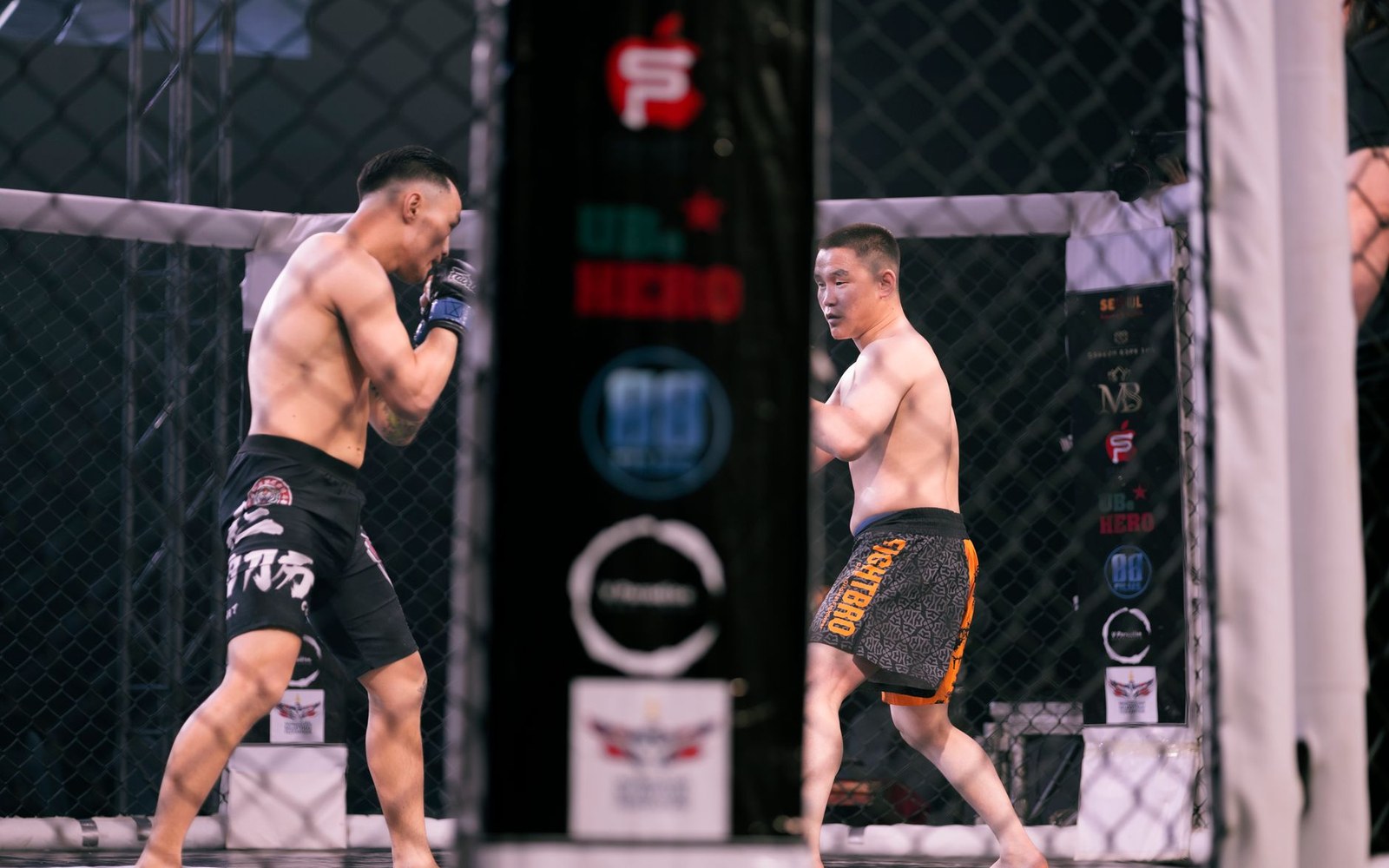
The governance story is partly one of what the ABC cannot do. It issues model rules; it does not bind member commissions. A state that disagrees with the recommended timing faces no penalty. The result is that fighters on a single card promoted across a state line can face materially different weigh-in schedules depending on which commission holds jurisdiction — a recurring complaint from promoters managing multi-state event calendars.
ONE Championship took a different path entirely, building hydration testing directly into its pre-fight protocol to restrict athletes to a weight band near their walk-around weight — a structural departure from the weigh-in model rather than a refinement of it. That approach sits outside commission jurisdiction and applies only where ONE controls the rulebook.
The weigh-in timing question remains unresolved at the federal level because no federal combat sports regulator exists. What exists is ABC guidance, state discretion, and the continuing gap between model rules and what any given commission actually enforces on a given night.