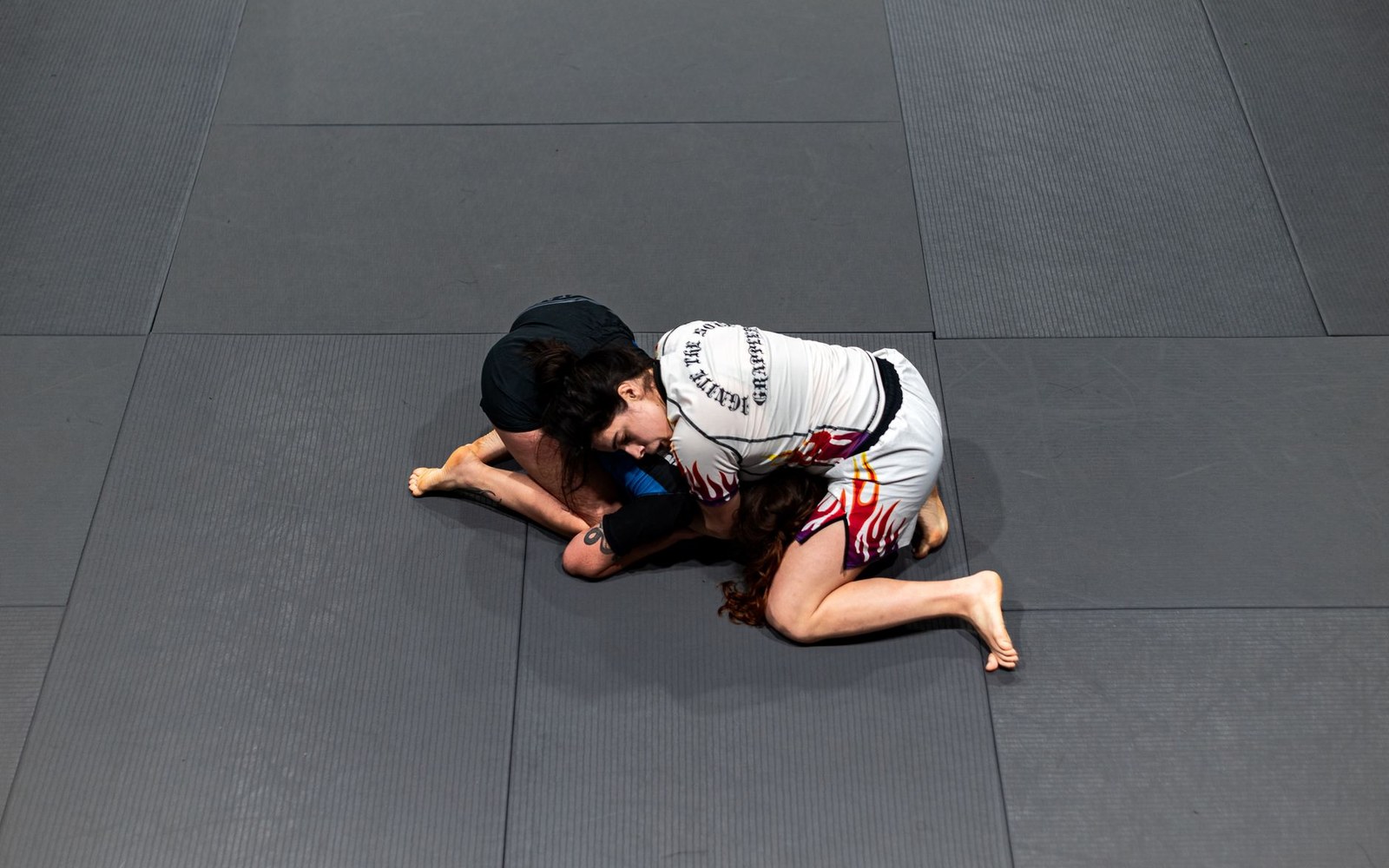
A sanctioning body whose event can cost more to attend than it awards for winning
Registration fees for the event run between roughly $135 and $175 per athlete depending on membership status, and competitors who enter both the gi and no-gi brackets pay those fees twice. Travel, accommodation in the Los Angeles area, and the IBJJF's mandatory annual membership — currently priced at $40 for individuals — stack on top. The prize money waiting at the end of a gold-medal run in an adult black-belt division is $500.
That figure is not a rounding error. It is the published prize for winning the most prestigious event on the federation's calendar, a competition that draws several thousand athletes across age and belt divisions each year. A competitor who pays registration, membership, airfare, and hotel — a realistic all-in cost that can exceed $1,000 before a single match — nets a loss regardless of outcome. The belt and the certificate are the compensation model; cash is incidental.
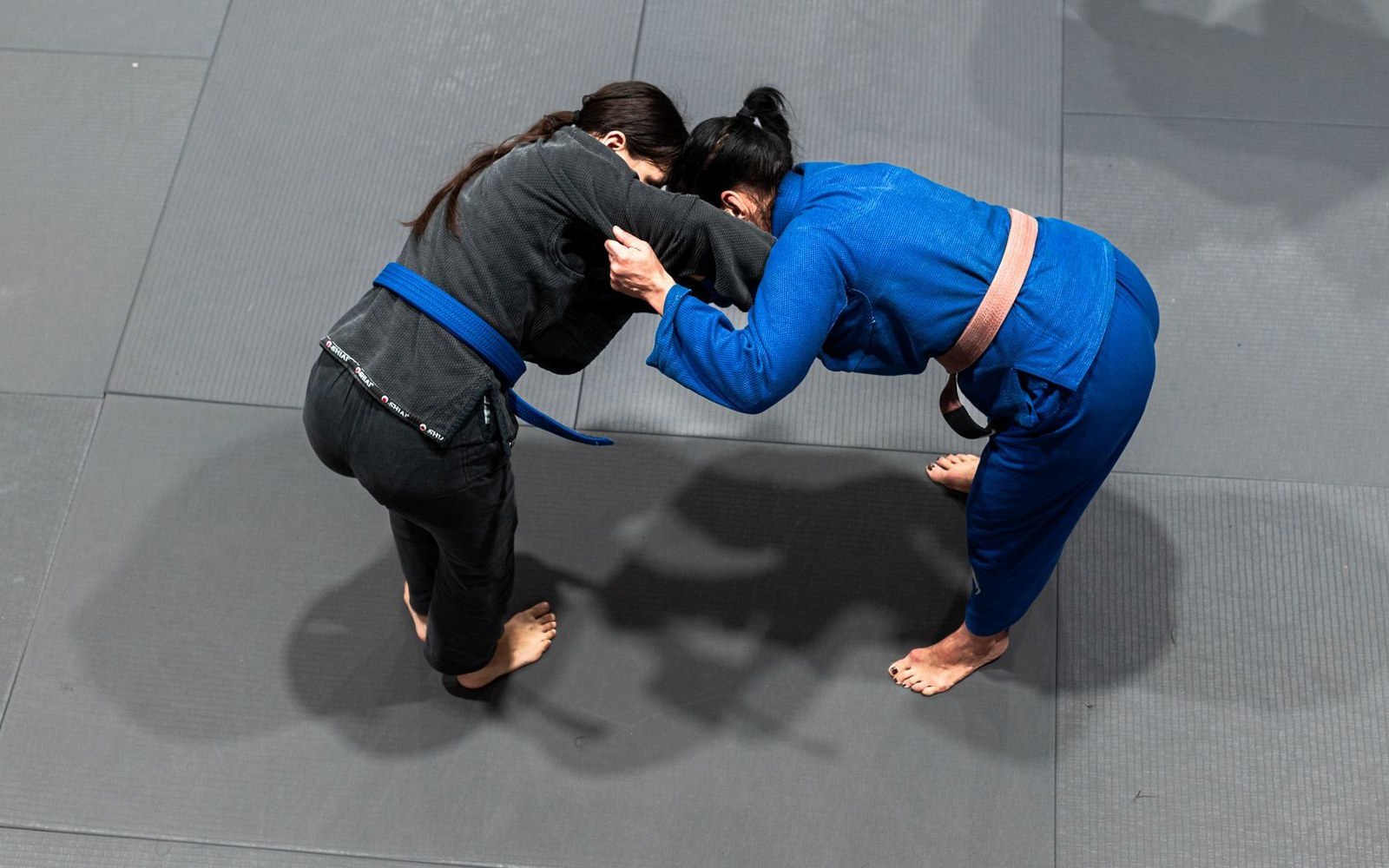
The arithmetic attracted sustained public attention from the grappling community in the early 2020s, accelerating as submission-only events like ADCC and Who's Number One began publishing prize structures that dwarfed anything the IBJJF offered. ADCC's 2022 World Championship in Las Vegas paid $40,000 to open-weight winners, a number athletes circulated in direct contrast to the federation's $500 gold. The comparison framed a structural argument: the IBJJF is not primarily in the prize-money business; it is in the credentialing and fee-collection business.
The revenue mechanics make that legible. The federation charges entry fees to competitors, annual membership fees to individuals and affiliated academies, event-hosting licensing fees to gyms that want to run IBJJF-sanctioned local tournaments, and belt-verification fees to athletes seeking official rank recognition. Affiliate gyms pay to carry the IBJJF's sanctioning banner over regional events; that network effectively extends the fee-collection surface far beyond the World Championship itself. The prize pool the federation returns to competitors is a small fraction of what flows in through those channels. The IBJJF has not published detailed revenue figures, but the directional logic is visible in the fee schedule alone.
The federation's public response to the criticism has been largely structural rather than financial. IBJJF representatives have pointed to the cost of running a multi-day event at scale — venue, staffing, insurance, mat logistics across dozens of simultaneous brackets — as justification for the fee structure. They have also noted that the organisation funds a year-round competitive calendar, not a single televised event with broadcast revenue subsidising the purse. Neither argument addresses the specific disparity between entry cost and prize, and the federation has not substantially raised the prize figures in response to the controversy.
What the IBJJF does control, and exercises, is belt legitimacy. A black belt awarded or verified through the federation carries recognised standing in a way that a gym-only promotion does not, and that standing translates into career value for coaches and academy owners inside the affiliate-fee model that structures most of the commercial jiu-jitsu world. Winning Worlds is a marketing credential. The $500 is almost beside the point.

That arrangement is not unique to jiu-jitsu — sanctioning bodies in boxing have charged promoters for belt recognition while paying fighters nothing directly for decades — but it is unusually exposed in grappling because the athletes bear the entry costs personally rather than having a promoter absorb them. A boxer's sanctioning fee disappears into the promotion budget; an IBJJF competitor writes the check themselves, then climbs on the podium for half a thousand dollars.
The prize structure has not changed enough to close that gap, and the IBJJF's competitive position in the credentialing market has not been seriously threatened. The belt still means something, which is why athletes keep paying to chase it.