The Screen Made the Decision First
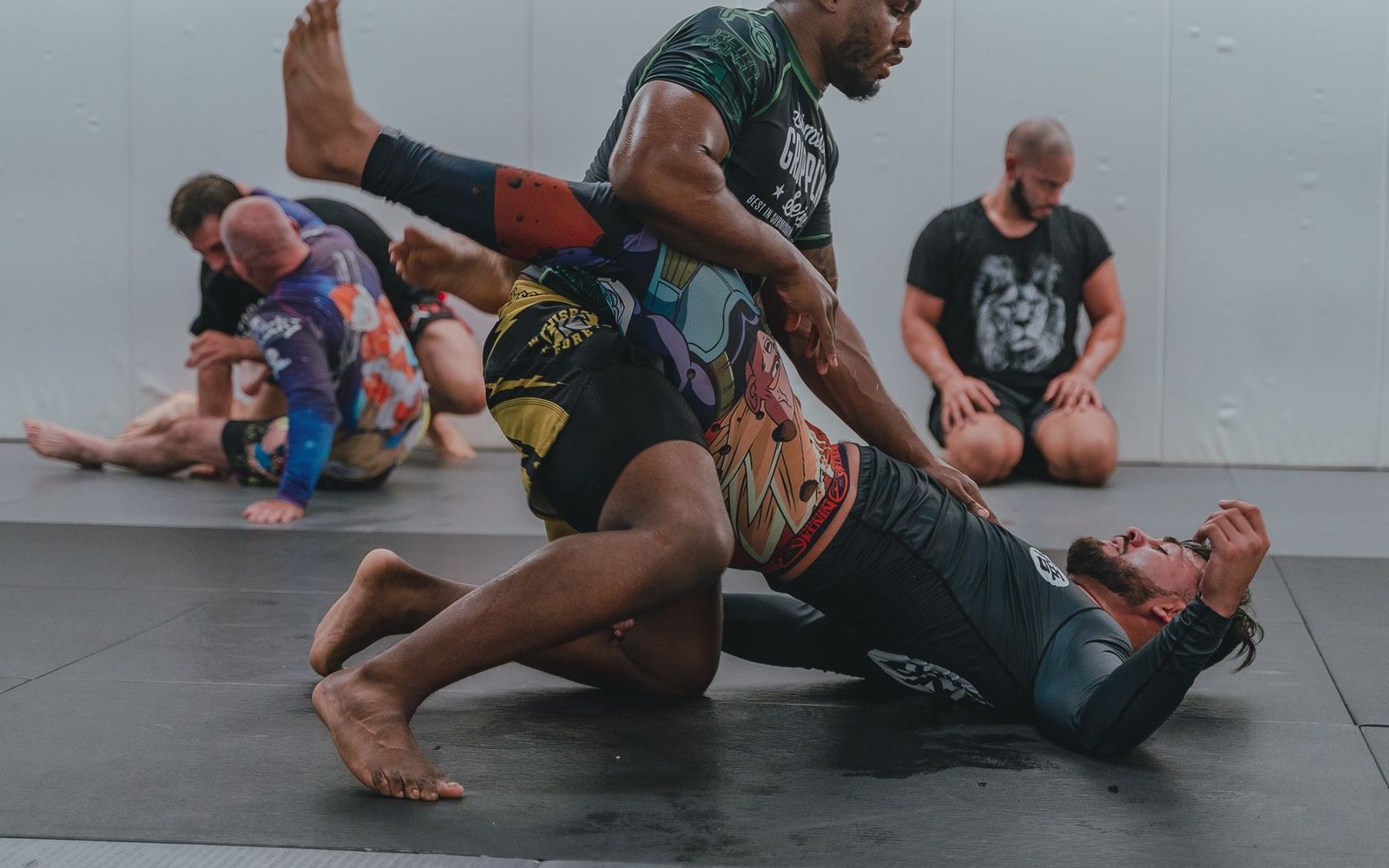
Television and streaming producers have a blunt preference: viewers should be able to see what is happening. A gi — the heavy cotton kimono used in traditional Brazilian jiu-jitsu competition — obscures grips and partially hides body mechanics. When one fighter controls another's lapel or sleeve, the leverage relationship is real but visually opaque to anyone without mat experience. No-gi grappling, contested in shorts and a rash guard, strips the action to limbs, necks and torsos. The submission attempt reads immediately on screen whether the viewer trains or not.
That legibility advantage compounded once streaming platforms started acquiring combat sports rights in the 2010s. Polaris Grappling, operating out of the United Kingdom, built its entire event model around broadcast-first no-gi superfights. ADCC, the Abu Dhabi Combat Club's submission wrestling championship — the most prestigious event in the discipline — is contested entirely without the gi, and its 2022 edition in Las Vegas drew what organisers described as record live attendance alongside wide streaming distribution. Who's Number One, the Texas-based promotion that emerged as a major no-gi platform in the early 2020s, operates on the same visual logic: short matches, clear stakes, finish-oriented rulesets that are tractable for a broadcast window.
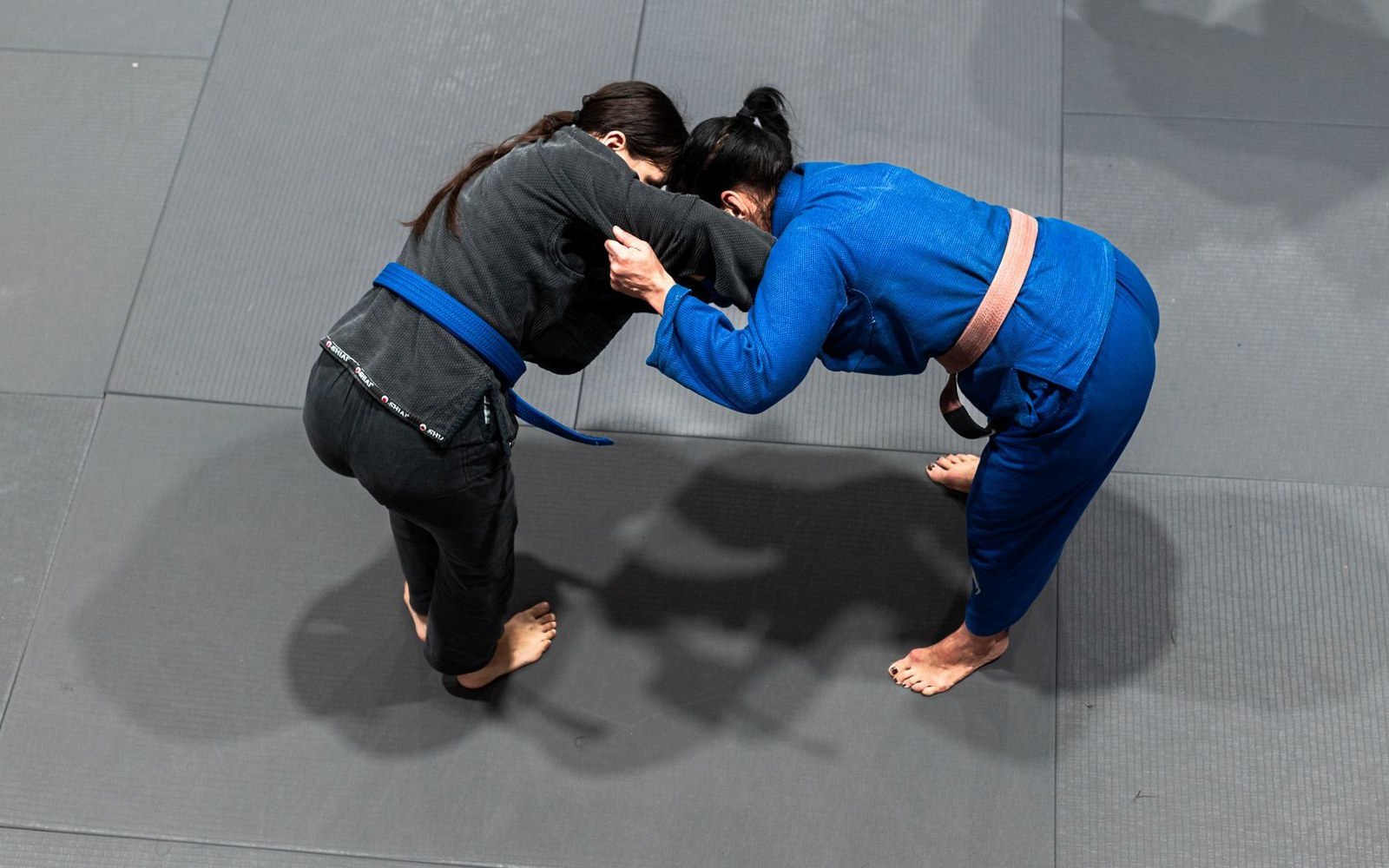
The IBJJF, by contrast, governs a gi-primary circuit whose championship formats — long round times, complex advantage scoring, disqualification rules tied to specific grip infractions — have repeatedly resisted clean broadcast packaging. The federation has run no-gi World Championships since 2008, and those events have grown, but the structural weight of the IBJJF's calendar, its rules committee and its fee structure all sit inside the gi tradition. The entry fees athletes pay to compete at the IBJJF World Championship are themselves a recurring grievance; in no-gi formats with prize purses, the economic logic runs the other direction — the promoter pays the athlete.
MMA Closed the Gap Between the Formats
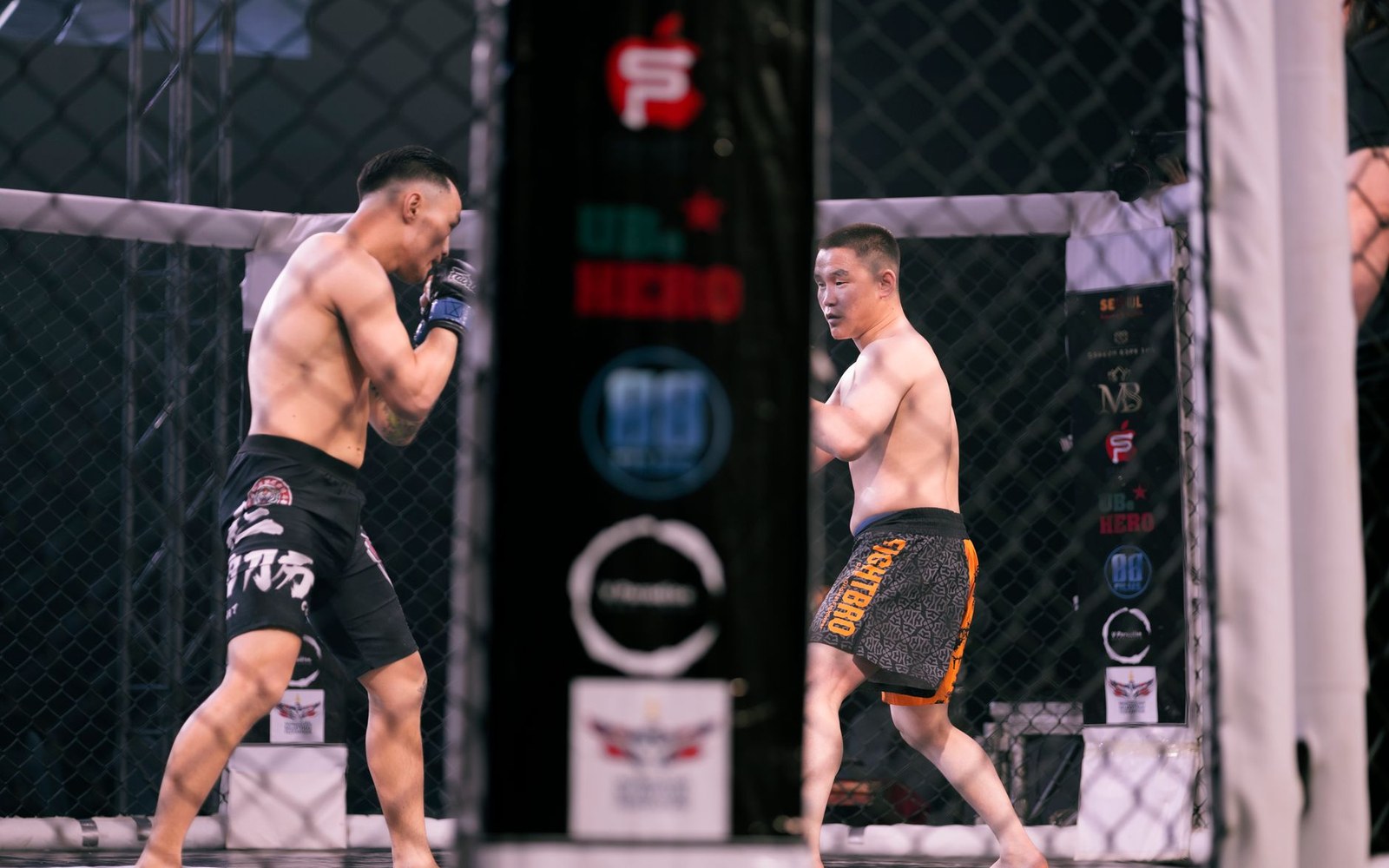
The MMA boom accelerated no-gi's growth through a different mechanism: training transfer. Fighters preparing for cage competition need ground skills that work without fabric grips. A guard pass that relies on a lapel, or a sweep built around a sleeve, does not translate. No-gi grappling, particularly in the leg-lock and wrestling-forward game that developed rapidly through the 2010s, maps directly onto what an MMA fighter needs on the ground. This created a large population of athletes — professional and amateur — who trained and competed no-gi as a primary or secondary discipline rather than as a deviation from a gi-first practice.
The feedback loop reinforced itself commercially. High-profile MMA fighters brought audiences to no-gi grappling events when they competed in them. Promotions like Polaris and Who's Number One regularly book active or recently active MMA competitors alongside career grapplers, and the crossover draws attention from the larger MMA media ecosystem. The UFC's own athlete base has historically trained with gi practitioners — Gracie Barra, Alliance, Atos and other academy networks produce athletes for both circuits — but it is no-gi grappling that claims the direct performance relevance argument inside the cage.
ONE Championship's hydration-testing and weight-management framework, applied to its submission grappling events in Singapore, operates entirely without the gi, consistent with the promotion's view that its weight system is designed around athlete safety rather than inherited tradition. The no-gi format fits that regulatory logic: fewer variables, clearer measurement, less equipment affecting the competitive environment.
The Affiliate Model Follows the Students
Gym economics pushed in the same direction, though less visibly. The affiliate-fee model that sustains large BJJ networks — Gracie Barra and others license their name and curriculum to independently owned academies in exchange for ongoing fees — was built around gi training, belt progression and long student retention. The gi curriculum generates the belt-grading events, the stripe ceremonies, the multi-year relationships that make the affiliate model work financially.
No-gi classes have long existed within those same academies, but they sit outside the belt economy. A student training no-gi does not earn a Gracie Barra blue belt; the network has no equivalent credentialing structure for no-gi progression. That means no-gi attracts students who are less integrated into the affiliate revenue cycle — they may pay monthly tuition but they are not candidates for the seminar fees, the competition registration fees paid through affiliated channels, or the multi-year retention that underwrites the model.
What changed is that the no-gi student population grew large enough to support parallel infrastructure. Independent no-gi academies, often operating without a franchise affiliation, have expanded in major markets. Submission wrestling programs with no formal BJJ lineage — catch wrestling derivations, 10th Planet Jiu-Jitsu's no-gi-only curriculum — occupy the same market space. 10th Planet, founded by Eddie Bravo, operates as an affiliate network of its own, but one explicitly structured around no-gi training and a non-traditional ranking system. The academy landscape in cities like Los Angeles and Las Vegas now includes a meaningful number of no-gi-primary gyms that would not have been commercially viable a decade earlier.
Where the Numbers Sit
Precise participation figures for no-gi versus gi competition globally are not published by any single governing body, and the IBJJF does not release total registered competitor counts broken down by format. What the event record does show is directional. ADCC 2022 in Las Vegas sold out the Thomas and Mack Center — a venue with a capacity of roughly 18,000 — according to event reports, a scale the gi circuit's championship events have not reached in North America. Polaris has run more than twenty events since its 2015 launch, steadily increasing production scale. Who's Number One moved from small Texas venues to Las Vegas over a similar period.
The ADCC qualifying circuit itself illustrates the growth indirectly: the number of regional trials required to produce the competitor pool for the main event has expanded as the applicant base has outgrown prior formats. More trials means more competitors attempting qualification, which means more no-gi competitive activity in the calendar year preceding each championship.
None of this happened through a policy decision by any governing body. The IBJJF did not reduce gi programming; it has maintained and expanded it. The affiliate networks did not redirect their curricula. What occurred was simpler: broadcast economics rewarded no-gi, MMA crossover validated it, and enough independent entrepreneurs built event infrastructure around it that a parallel competitive circuit now exists with its own prize money, its own media deals and its own athlete economy. The gi is not retreating. No-gi simply grew into a market the gi circuit was not trying to serve.