A Decade of Findings, One Final Vote
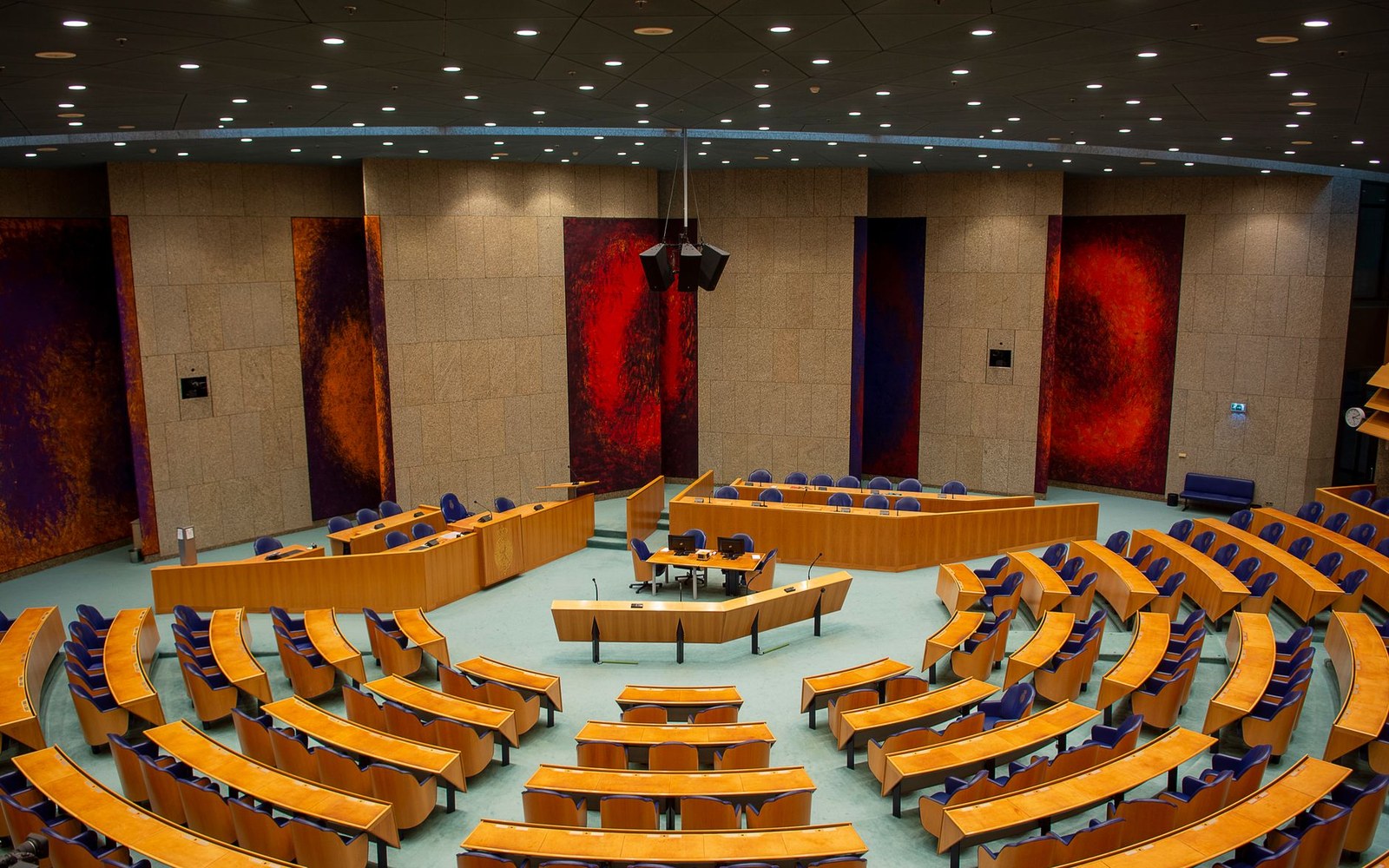
The International Olympic Committee did not move quickly against the International Boxing Association. It moved repeatedly, across several years, before arriving at derecognition — the formal removal of the IBA's status as the recognised international federation for the sport — at an extraordinary IOC Session in Lausanne on 22 June 2023. The vote, 69 to 1, was not close.
The IOC's own published findings traced the governance failures to three connected areas: judging and refereeing integrity, financial management, and the organisation's response to reform demands. On judging, the IOC had already removed IBA from managing boxing at the Tokyo 2020 Games, handing operational control to a special IOC task force after a pattern of scoring anomalies in the qualification tournaments drew formal concern. That intervention — unprecedented for an Olympic sport still nominally governed by its federation — was itself a public signal that the relationship had deteriorated past the point of quiet pressure.

Financial irregularities compounded the problem. An IOC Ethics Commission inquiry identified concerns about the IBA's revenues, including the circumstances of a sponsorship agreement with the Russian energy company Gazprom that had provided substantial funding while the federation's elected president, Umar Kremlev, held office. The IOC's correspondence with the IBA, portions of which were published alongside the derecognition decision, noted the federation's failure to meet conditions the IOC had set across a series of probationary periods beginning in 2019.
The IBA contested the decision. Kremlev called it politically motivated and indicated the organisation would continue to operate and hold world championships independent of the Olympic movement. That position is legally coherent — derecognition removes IOC affiliation and Olympic access, not the right to sanction professional bouts or issue rankings — but it strips an organisation of the funding, status and athlete-pathway leverage that Olympic recognition carries.
World Boxing and the LA 2028 Calculation
The vehicle for boxing's prospective return is World Boxing, incorporated in 2023 and led by Boris van der Vorst, the Dutch federation president who had previously run against Kremlev for the IBA presidency and brought the governance concerns formally before the IOC. World Boxing has framed its structure explicitly around IOC compliance requirements: independently elected leadership, transparent financial reporting, and a reformed judging and refereeing system with external oversight.
The IOC has not granted World Boxing recognition. What it has done is acknowledge the body's existence and, critically, confirmed that boxing is under consideration for inclusion at the Los Angeles 2028 Games. The IOC's programme decisions for LA 2028 are not yet finalised — the organisation uses a phased confirmation process — but the implicit architecture is clear: World Boxing must demonstrate sufficient national federation membership and governance credibility to be recognised before the programme is locked, or boxing risks missing a Summer Games at the top level.
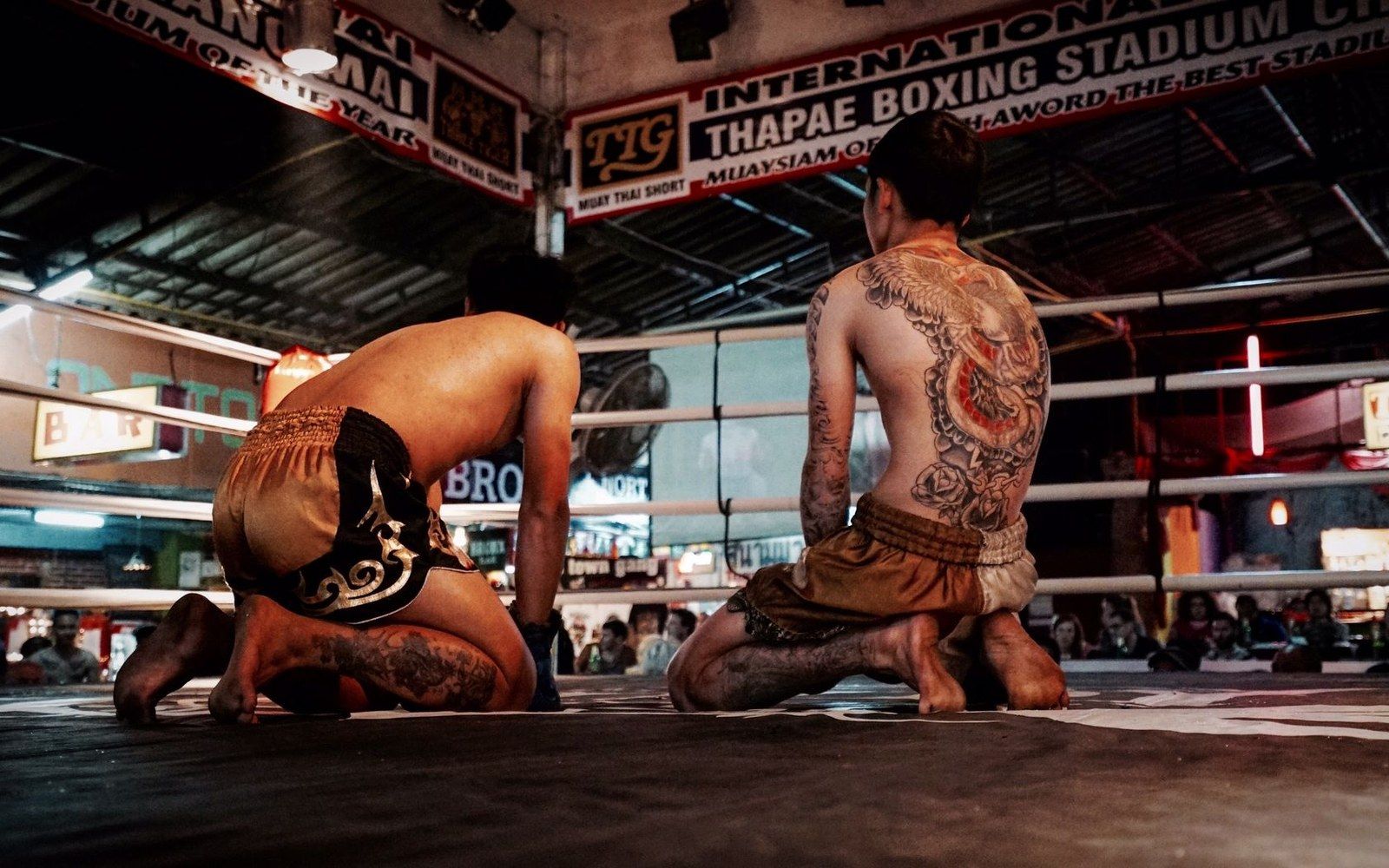
The stakes for the sport's amateur and Olympic pathway ecosystem are real. National boxing federations that affiliate with World Boxing rather than the IBA receive a different set of signals about where qualification pathways will run. Several national bodies have already moved; others are waiting on the recognition question before committing. Peter Murray, serving as World Boxing's chief executive, has been the primary interlocutor with the IOC on timeline and compliance benchmarks, though the IOC has not published a formal deadline.
What the IBA retains is the bulk of the world's existing national federation affiliations and the professional sanctioning infrastructure. What it cannot currently offer is the Olympic Games. In a sport whose amateur structure, funding, and talent pipeline have been organised around the Olympic cycle for a century, that absence is not a footnote — it is a structural crisis with a limited window to resolve.