From Judge's Eye to Voltage
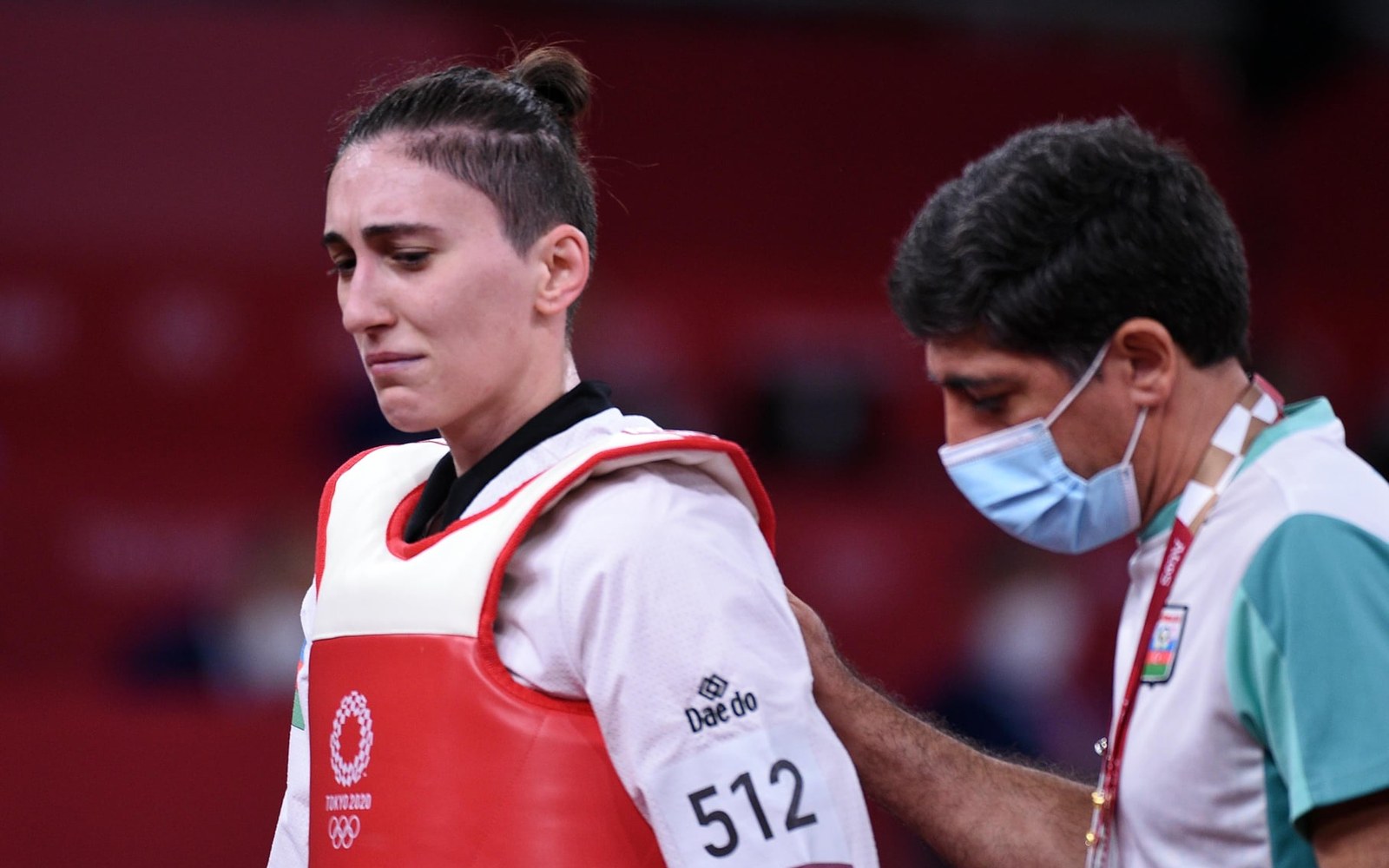
World Taekwondo introduced its Electronic Protector and Scoring System — manufactured by Daedo and KP&P, with Daedo becoming the dominant supplier — at the 2012 London Olympics, replacing a judge-operated clicker system that had drawn sustained criticism after a string of disputed decisions at the 2008 Beijing Games. The vest detects impact force above a calibrated threshold and transmits a score automatically; no judge can override a registered hit in real time.

The mechanical consequence was immediate and measurable. Under the old system, body kicks were underscored relative to the effort required to land them, because judges prioritised visible head contact. Once the vest rewarded any qualifying trunk strike with a point — and head kicks with a multiplier — fighters and coaches responded to the incentive structure rather than any stylistic preference. Lateral footwork, back-kick setups, and spinning techniques rose in frequency across elite competition because the sensor registers rotational power as cleanly as linear power. World Taekwondo's own competition statistics from post-London grand prix events documented a rise in scoring trunk techniques and a corresponding drop in clinch-and-push sequences that had previously consumed match time without generating sensor signals.

The system also shifted enforcement burden. Grappling and grabbing penalties, once discretionary, became more consequential because referees now handle only fouls and boundary calls — the scoring mechanism itself is automated. That narrower referee role reduced one category of disputed outcome while concentrating remaining controversy on sensor calibration: whether a vest's threshold is set high enough to filter out non-scoring contact remains an ongoing technical argument at World Taekwondo's equipment committee level.
World Taekwondo revised its sensor threshold settings ahead of the Tokyo 2020 cycle following feedback from national federations that incidental contact was generating spurious points. The Paris 2024 competition ran on the same revised standard. Whether the calibration has stabilised, or whether another adjustment follows the next Olympic cycle, is a question the equipment data — not the rulebook — will answer first.