A testing contract, not a testing standard
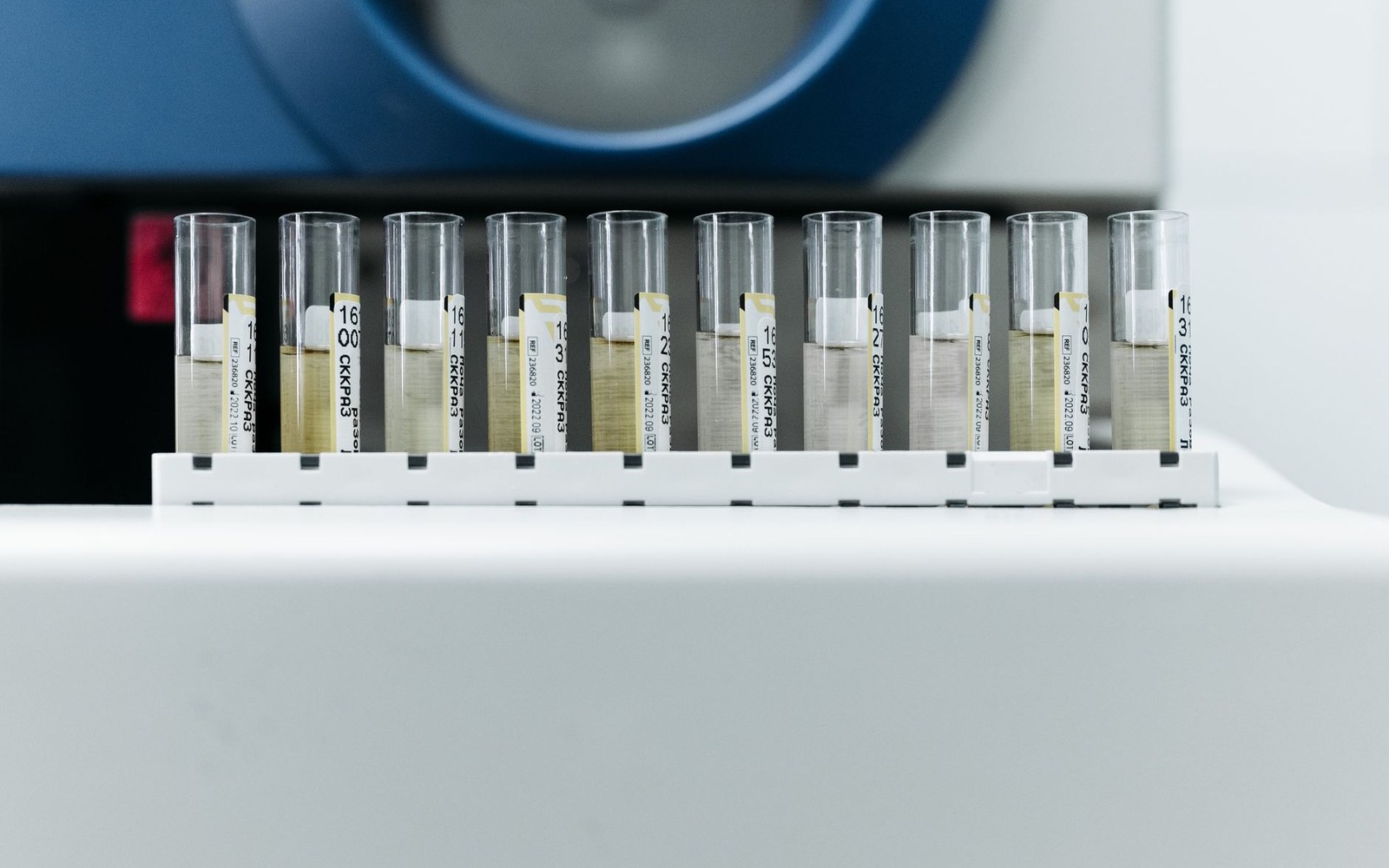
For eight years the arrangement worked as a private overlay on top of state athletic commission jurisdiction: fighters were enrolled in a registered testing pool, subject to whereabouts requirements, and tested both in and out of competition by the same agency that handled Olympic sport. The UFC paid USADA directly; USADA published its decisions independently. When the relationship ended in January 2023, the UFC signed Drug Free Sport International — DFSI, a Kansas City-based testing and compliance consultancy — as its replacement.
The practical differences between the two regimes are not cosmetic. USADA operates under the World Anti-Doping Agency code, and its decisions are formally reviewable by the Court of Arbitration for Sport. DFSI, which had previously administered testing programs for college athletic conferences and professional leagues, does not sit inside the WADA architecture. WADA's prohibited list and code compliance framework set the international standard against which any departure becomes visible. The UFC's new program uses the WADA prohibited list as its substance reference, a point the promotion has cited when accused of lowering standards — but using the same list is not the same as operating under the same accountability structure.

The out-of-competition testing pool is where the criticism has concentrated. USADA required fighters to file whereabouts information quarterly and imposed strict liability for missed tests. DFSI's program as described at launch maintained out-of-competition testing but applied a different missed-test threshold before a formal violation was recorded. USADA chief executive Travis Tygart — speaking in his institutional capacity, not as an individual commentator — was publicly critical of the transition in statements documented by sports journalism outlets, arguing that the shift away from a WADA-code-compliant structure reduced the credibility of results management and the independence of adjudication.
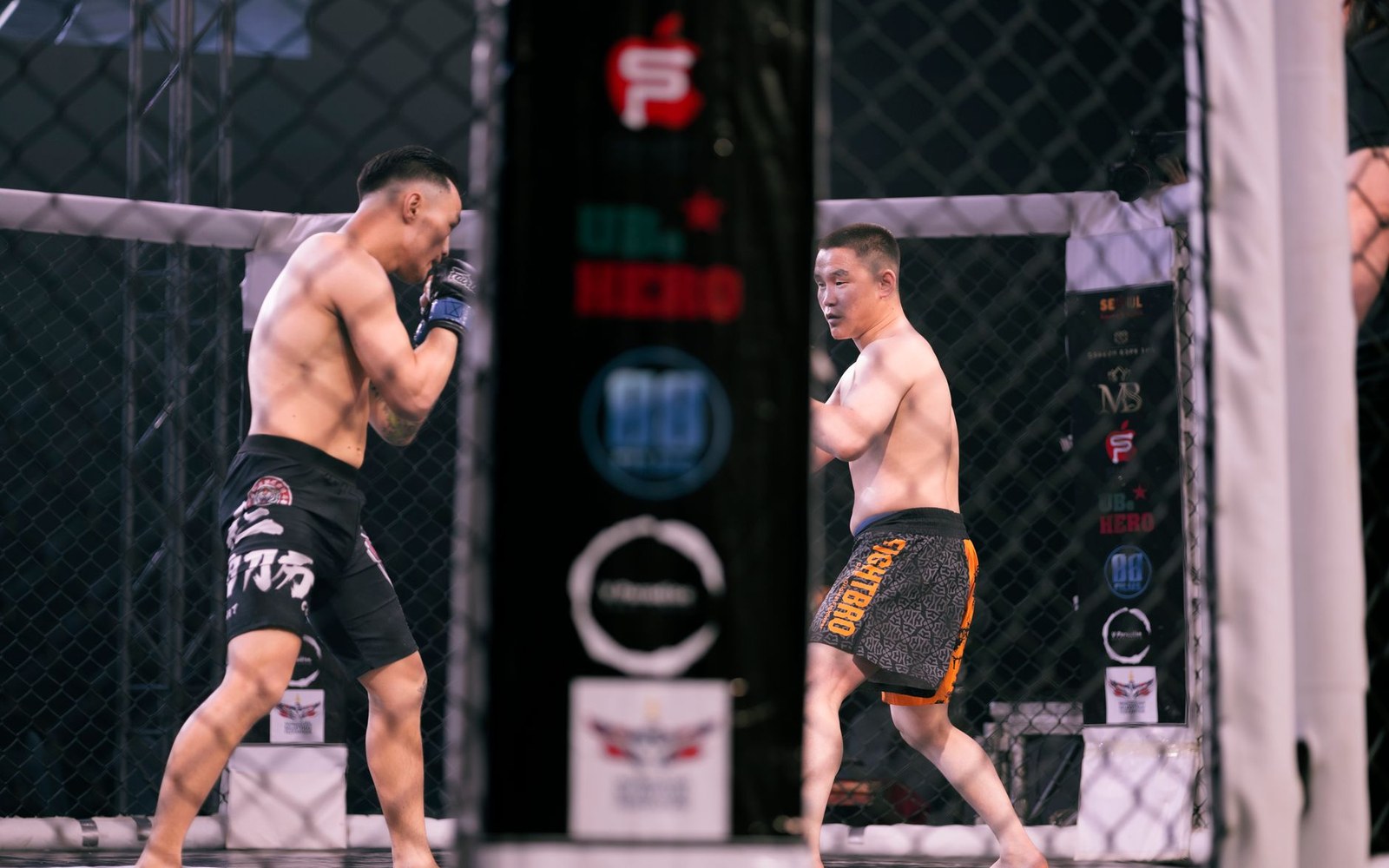
The athletes enrolled in the program are, simultaneously, subject to the athletic commissions of whatever state their bout is sanctioned in. The Nevada State Athletic Commission, which licenses the majority of marquee UFC events held in Las Vegas, conducts its own pre-fight and, occasionally, post-fight testing independent of whatever private program the promotion uses. That commission layer matters for a specific reason: commission-issued violations carry licensing consequences that a promotion's own program cannot replicate. A fighter the UFC's private program clears remains subject to a commission suspension if commission testing produces a positive. The reverse is also true — a DFSI finding does not, by itself, trigger a commission sanction unless the commission elects to act on it.
What commission oversight does not cover
The gap in that architecture is out-of-competition testing, which commissions have neither the budget nor the staffing to conduct at scale. A state commission tests fighters near event day. It does not maintain a year-round whereabouts pool. That gap is precisely what the UFC-USADA arrangement was designed to fill starting in 2015, and it is the gap that critics argue the DFSI transition has widened rather than closed.
The UFC's public position, as stated across promotional and media materials in 2023, is that DFSI conducts both in- and out-of-competition testing, that the program covers more active roster fighters than the USADA era, and that the prohibited substance list is unchanged. Those claims are largely accurate on their face. What they do not address is the independence of results management — who reviews a positive finding, on what timeline, and with what appellate structure — which under USADA ran through an arbitration panel whose decisions were published. DFSI's adjudication pathway is internal to the program in a way that USADA's was not.
For promoters, agents and commissions reading UFC bout agreements, the practical consequence is that a fighter's anti-doping status now lives in two separate systems with no formal coordination requirement between them. A violation in one does not automatically trigger review in the other. Whether that separation reflects a deliberate structural choice or simply the limits of commission jurisdiction over private testing contracts is the argument that has not stopped since January 2023 — and, absent either a return to WADA-code compliance or a federal athletic commission, is unlikely to.